The Science
Every spectacular sequence and its published foundation. The question is not “how did this happen?” — the question is “how did God do this?”
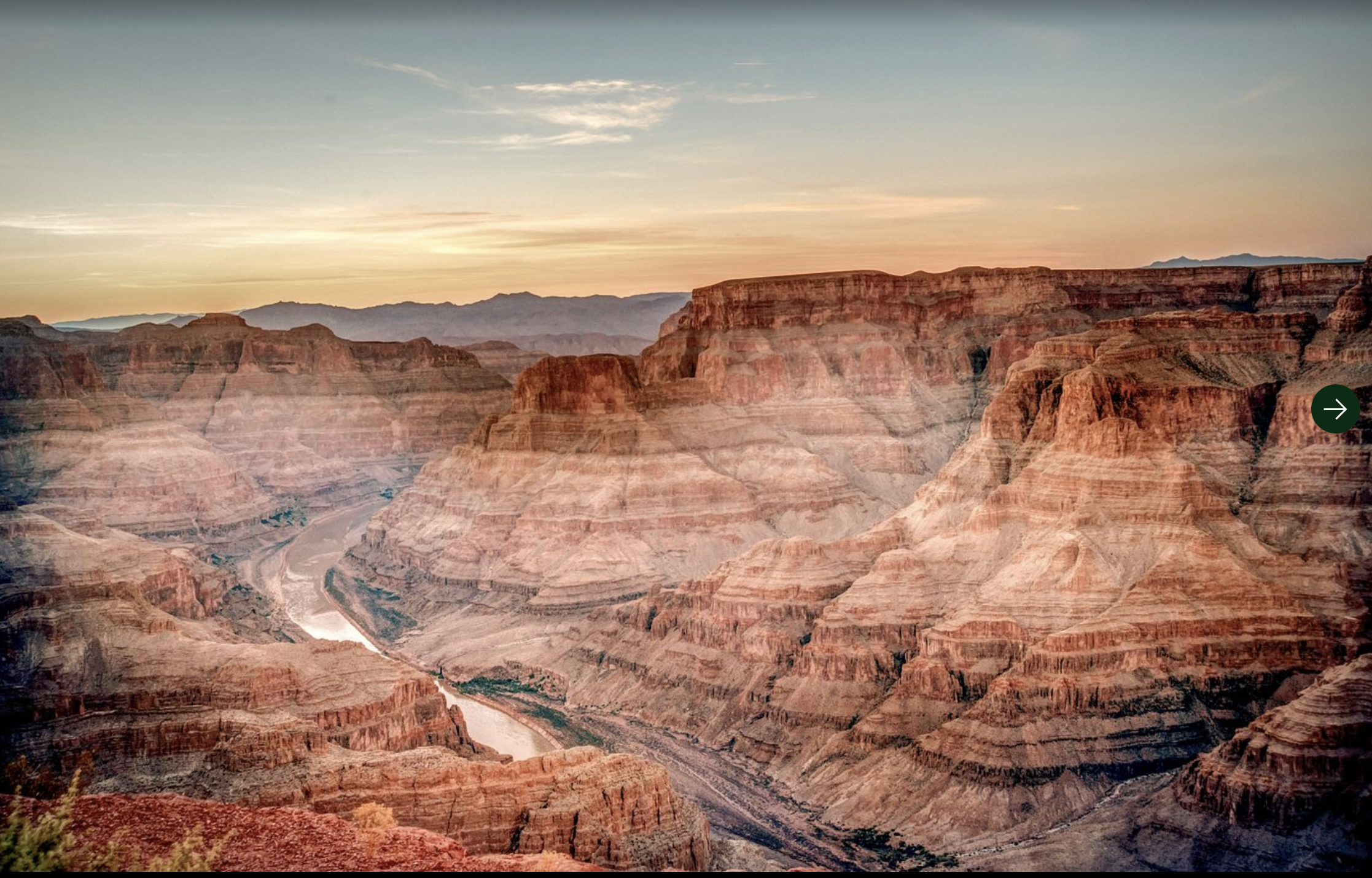
Grand Canyon, Arizona — a mile of sedimentary layers carved open
Forty Years of Published Research
The film is built on four decades of computational geophysics, field geology, and laboratory experiments — published, peer-reviewed within the creation science community, and computationally modeled. The film never lectures about any of it. The audience understands the science because they see it.
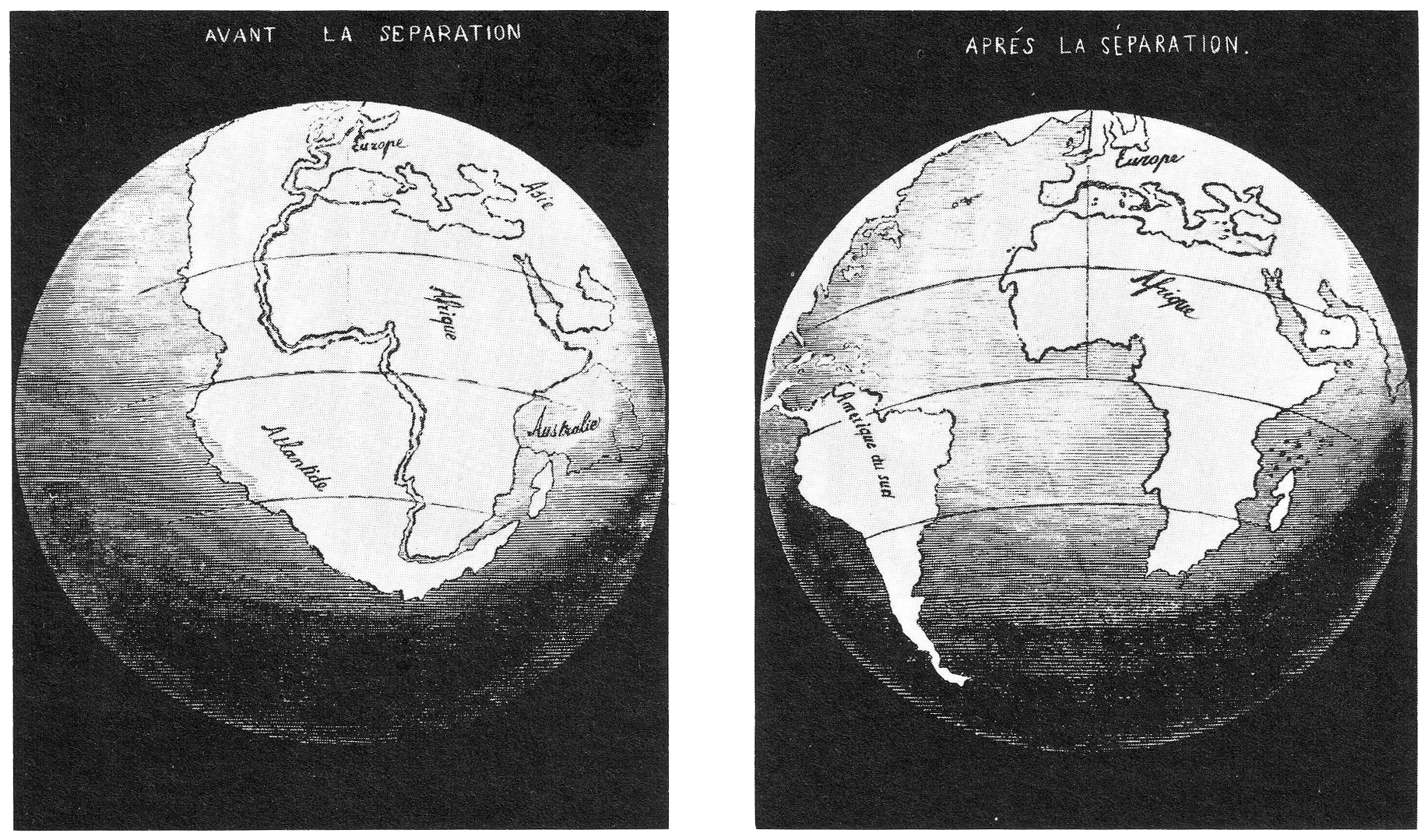
Antonio Snider-Pellegrini, La Création et ses mystères dévoilés, 1858. "Before the Separation" and "After the Separation." Fifty-four years before Wegener, Snider-Pellegrini proposed that the continents were once joined — and that the separation was catastrophic, driven by the Flood.
The researchers behind this work:
- John Baumgardner — Catastrophic Plate Tectonics (CPT). Los Alamos National Laboratory supercomputer model of runaway mantle convection.
- Timothy Clarey — Megasequence stratigraphy. 3,000+ bore holes across every continent mapping six global depositional sequences.
- Andrew Snelling — Transcontinental sedimentary correlations. Global evidence for rapid, continent-scale deposition.
- Steven Austin — Rapid canyon formation. Mt. St. Helens analog — 1/40th-scale Grand Canyon carved in five hours.
- Michael Oard — Post-Flood Ice Age modeling. Warm oceans + cold continents = one Ice Age in centuries.
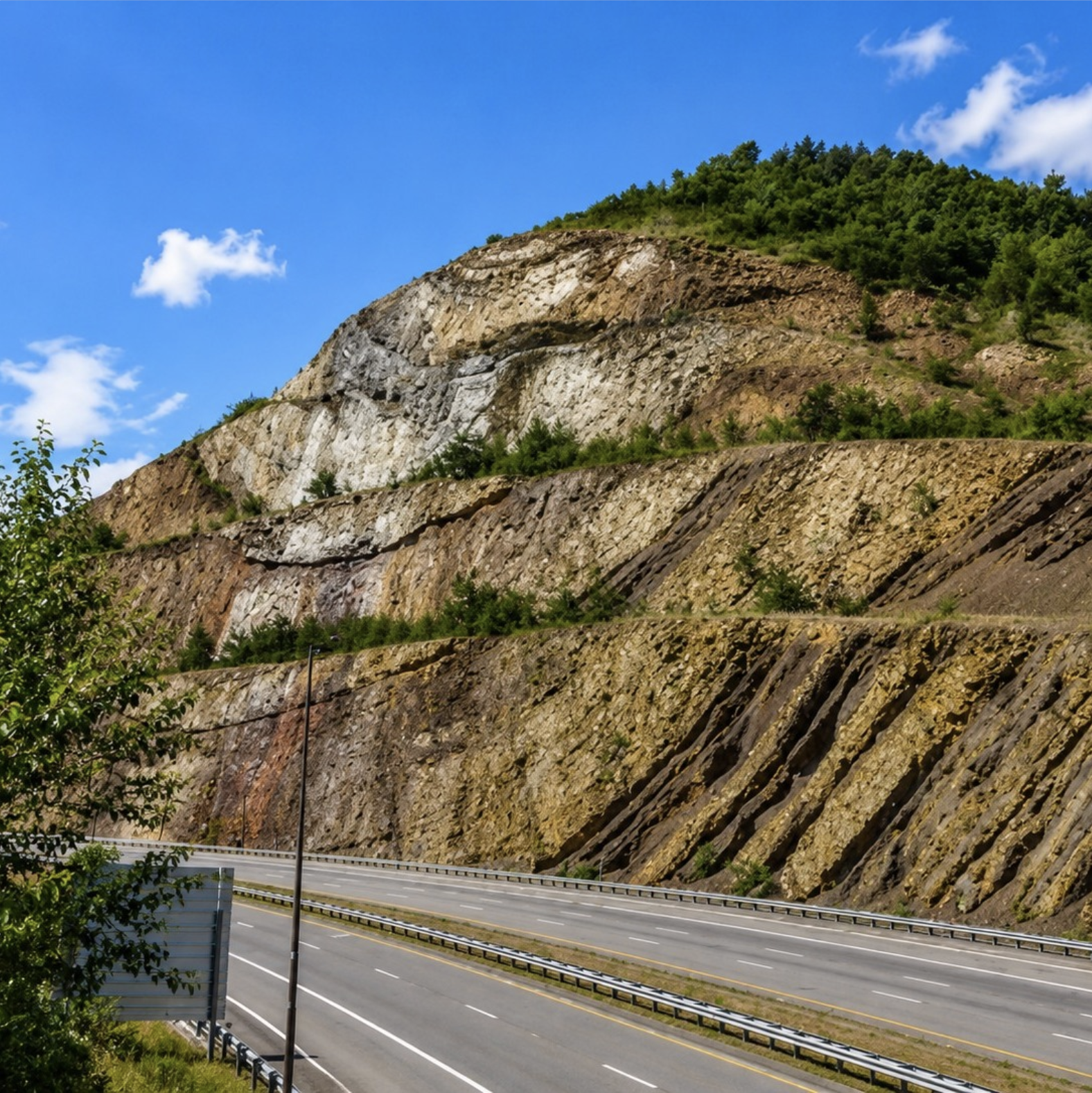
Science-to-Scene Reference
Every spectacular sequence in the film, what the audience sees, and the published science behind it.
| Film Sequence | What the Audience Sees | Published Foundation |
|---|---|---|
| The Gentle World | Diffuse light, no rain, one landmass | Pre-Flood atmosphere models; Gen 1:9-10, Gen 2:5-6 |
| The Crack | Instantaneous SNAP, pole to pole | Baumgardner CPT model — mantle weakening by 10⁹ |
| The Fountains | Supersonic steam, 13,000 miles | Water-to-steam 1,700x expansion; Gen 7:11 |
| The Black Rain | Dark, warm, gritty ash-rain | Volcanic condensation nuclei; pozzolanic ocean chemistry |
| The Water Rises | Two-direction pincer | Hot-floor displacement ~970 fathoms; crack-as-pump |
| Continents Sprint | Visible real-time motion from orbit | Baumgardner — runaway convection; feet per second |
| Subduction | Ocean floor consumed, Rockies rise | Farallon Plate subduction; seismic tomography |
| Himalayan Collision | Mountains forming underwater | Marine fossils at 29,029 ft on Everest summit |
| Color-Coded Waves | Layers painting every continent | Clarey megasequences; 6 global pulses; grain-size sorting |
| Fossils Settling | Buoyancy sorting by density | Three-mechanism fossil order prediction |
| Mud Becomes Stone | Pozzolanic cementation | Marie Jackson — Roman concrete chemistry (2017) |
| Recession | Rifts fill, basins deepen | Thermal contraction; Psalm 104:6-9 |
| Canyon Carving | A mile deep in days | Austin — Mt. St. Helens analog; dam-breach cascade |
| Ice Age | Warm oceans + cold continents | Oard's model — one Ice Age in centuries |
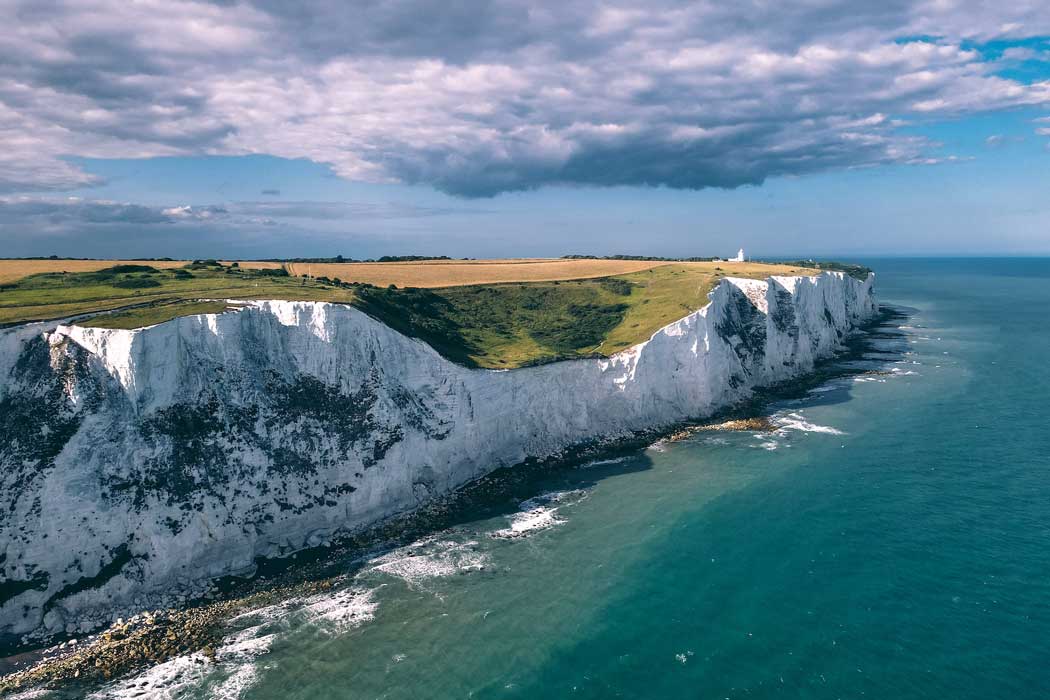
"Go Look" — Seven Locations
Over the closing credits: evidence locations with scientist cameos. Twenty seconds each. A hook, not a lecture. The evidence is on every continent.
🇬🇧 Dover Cliffs
"Cretaceous chalk. England to Kazakhstan. One layer."
🇦🇺 Uluru
"Arkose sandstone. Fresh feldspar. Rapid transport."
🇪🇬 Wadi Al-Hitan
"Whale fossils. Six hundred miles from the nearest ocean."
🇳🇵 Mount Everest
"Marine limestone. Ocean floor organisms. At the summit."
🇮🇸 Iceland
"The Mid-Atlantic Ridge. Still open. Still warm."
🇺🇸 Mt. St. Helens
"Carved in hours. March 19, 1982."
🇺🇸 Grand Canyon
No scientist. No title card. The layers. The audience knows what they're looking at.
A Working Model
The Flood model isn't a story. It's a working scientific model — it makes predictions. When the predictions match observation, the model is strengthened. When they don't, you investigate why. That's the scientific method.
Anomalies resolved. Polystrate fossils — trees spanning what uniformitarian geology calls millions of years of strata — are not mysterious when the strata were deposited in days. Coal beds form from floating vegetation mats, not ancient swamps. Soft tissue survives in dinosaur bone because the bone isn't 65 million years old. Marine fossils sit on mountaintops because the mountains rose through the ocean. These aren't puzzles anymore.
Open questions. Layers that don't contain the fossils the model predicts. Light from objects billions of light-years away. Biogeographic distribution after the Flood. Radiometric dating assumptions. The book identifies 36 specific gaps. Each one is a research opportunity — a grant, a thesis, a career.
A model that explains everything and is never challenged isn't science — it's dogma. The open questions are not the model's failure. They are its research frontier. The model drives the expectation. When expectations aren't met, you ask why. That is the method.
The Original Purpose
Every observation in this film recovers the original posture of the scientific method: not "how did this happen without God?" but "how did God do this?"
Humility, not hubris — we are studying His work, not our own. Curiosity, not perpetuation of lies — honest inquiry follows the evidence wherever it leads. Servant of mankind, not personal gain — the science serves people, not careers.
The scientists who published this work for forty years did so as an act of worship. The film honors that.